Glamping — comfortable, hotel-quality stays in the outdoors — is one of the fastest-growing corners of Indian tourism. For a landowner or hospitality operator, a prefab-cabin glamping resort is the quickest route from a bare plot to a bookable property. This guide walks through how to start a glamping resort in India, from site to opening.
Why glamping works in India
Weekend travel from cities is booming, and guests pay a premium for a designed, private outdoor stay over a standard hotel room. A glamping resort needs far less capital and time than a conventional hotel, because the rooms arrive factory-built. The result is a property that opens faster and earns a higher tariff per room than its cost would suggest.
Step 1: Choose and assess the site
The site sets the ceiling on your tariff. Look for:
- A location within weekend range of a city, or near a hill station or tourist draw.
- A view — water, hills, forest, or orchard — that becomes the product.
- Road access, water, and power, or a clear plan to bring them in.
- Clear land title and a use that local rules allow.
Step 2: Choose your cabins
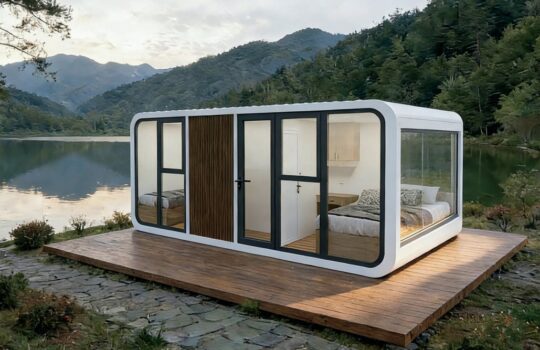
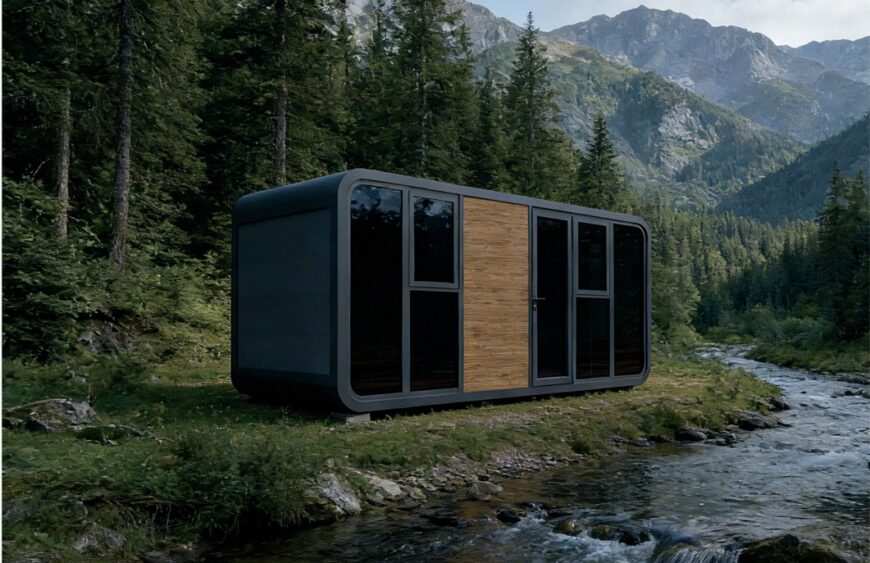
Prefab glamping pods give you a finished, insulated, en-suite room delivered to site. Plan a mix:
- Entry keys for density and value — compact twin pods that maximise rooms per acre.
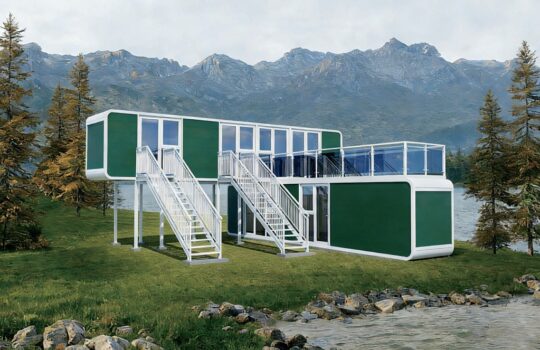
- Signature keys — two-storey or terrace cabins that carry your listings and justify a premium tariff.
Most resorts run mostly entry keys with one or two signature units as the hero shot.
Step 3: Work out the numbers
Build the budget around cost per key and revenue per key.
- Cost per key. A finished glamping pod starts around ₹12–13 lakh, and a signature two-storey cabin runs to ₹30 lakh or more. Add decking, site works, utilities, and shared facilities.
- Revenue per key. Multiply your nightly tariff by realistic occupancy. A ₹6,000-a-night key at 50% occupancy earns roughly ₹11 lakh a year before costs.
These figures are illustrative. Your tariff, occupancy, and site costs decide the real return, so model your own before committing.
Step 4: Permissions and approvals
A glamping resort still needs the right approvals. Depending on your state, that can include land-use clearance, local body or panchayat permission, tourism registration, and fire and environment sign-offs. Check the rules for your specific site early, ideally before you buy.
Step 5: Build and open
This is where prefab pays off. Because the cabins are factory-built, you can prepare the site while the units are made, and a cluster opens far sooner than a conventionally built resort. Phase the rollout — open with a first batch of keys and add more as bookings grow.
Tono Homestay Series
Tono’s Homestay Series is built for exactly this: finished, insulated cabins from compact twin pods to two-storey terrace suites, planned as a cluster with decks and walkways. See the full prefab modular cabin range, or contact Tono to plan a site.
Frequently asked questions
How much does it cost to start a glamping resort in India?
It depends on the number of keys and the site. As a rough guide, finished glamping pods start around ₹12–13 lakh each, plus decking, utilities, and shared facilities. A small cluster costs a fraction of a conventional hotel.
How many pods do you need?
Enough to be bookable and cover fixed costs. Many small resorts open with six to ten keys and grow from there, so start with a viable first phase rather than the full build.
Do you need permission for a glamping resort?
Usually yes. Land-use, local body, tourism, and safety approvals vary by state. Check your site’s requirements before buying or building.
Is a glamping resort profitable?
It can be, when the tariff and occupancy support the cost per key. The premium guests pay for a designed outdoor stay is why the model works, though returns depend on your site and running costs.