
Choosing a TV should not begin with the biggest screen you can afford. It should begin with the space where the screen will actually be used. A TV that looks perfect in a showroom may feel too large, too bright, or too close once it is placed inside a real room. A good TV size guide lets you take a look at the whole setting before deciding. The choice depends on seat distance, wall width, window orientation, ceiling height, furniture arrangement and viewing habits. When these points are checked first, the screen feels more natural in the room and does not look forced.
Check Viewing Distance First
Viewing distance is one of the biggest factors in choosing screen size. If the TV is too close, the picture can be heavy on the eyes. Small details may not be visible if it’s too far away, particularly during movies, sports or gaming. For compact rooms, a 43-inch to 50-inch screen usually feels comfortable. Medium rooms often work well with 55-inch to 65-inch TVs. Larger rooms can carry 75-inch screens or more if the seating is placed at the right distance. This is why TV size for room planning should always happen before buying or mounting the display.
Choose the Right Screen for the Living Room
The living room usually needs more planning than any other space because it is used in many different ways. Families watch movies there, guests gather there, and many people also use the TV for sports, gaming, music videos, or casual background viewing. The screen needs to support all of these uses without taking over the entire wall. The best TV size for living room depends on how open the room feels. A smaller lounge may look cleaner with a 55-inch TV, while a wider family room can handle a 65-inch or 75-inch display. The aim is to create a powerful viewing experience without making the room feel crowded or visually unbalanced.
Keep the TV Height Comfortable
Height is often ignored, but it can completely change the viewing experience. A TV mounted too high may look stylish at first, but it can become uncomfortable during longer viewing sessions. People should not have to lift their chin every time they watch a show or movie. The centre of the screen should usually sit close to seated eye level. This keeps the neck relaxed and makes the picture easier to enjoy for longer periods. Correct tv placement height also improves the overall wall appearance because the display looks properly connected to the furniture and seating area.
Think About Wall Strength and Mounting Support
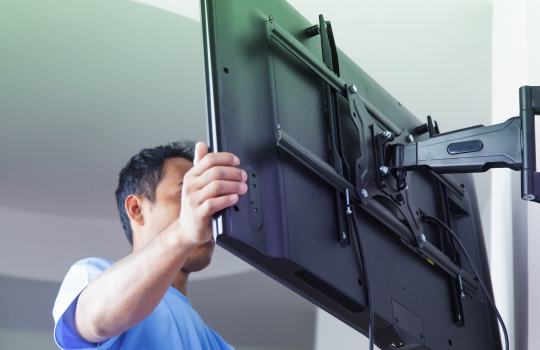
Screen size is only part of the equation. The wall, the bracket, the cable path and the mounting support are just as important. A large TV needs to be securely fixed, cleanly aligned and safe to handle weight, particularly in homes where the screen is used on a daily basis. This becomes even more important when the setup includes speaker stand, projectors, consoles, or hidden AV equipment. A quick installation might result in loose wires, bad viewing angles, a tilted screen, or unstable support. A planned mounting system keeps the room cleaner and protects the display for long-term use.
Plan Bedroom TV Size Differently
A bedroom TV should not be planned in the same way as a living room screen. In bedrooms, people usually watch from bed, often in a relaxed or lying position. This changes both the ideal screen size and the viewing height. For smaller bedrooms, 32-inch to 43-inch screens are often enough. Larger bedrooms may suit 50-inch to 55-inch displays if the bed is placed far enough away. The right TV size for bedroom depends on bed distance, wall space, wardrobe position, lighting, and whether the TV is used every night or only sometimes.
Quick Size and Placement Checks
Before finalising the TV, it is better to measure the space properly instead of guessing. A few simple checks can help avoid buying a screen that feels too large, too small, or awkward once it is installed.
- Measure from the main seat or bed to the wall where the TV will be placed.
- Make sure the wall can support the display safely,
- keep the screen at seated eye level and leave enough
- space for speakers, consoles and cable hook-up
- Don’t put your TV in a spot where the sun shines and creates glare.
These small checks make the ideal TV size for room easier to choose. They also help you plan the TV as part of the room instead of treating it like a separate electronic item.
Match the TV With the Room Style
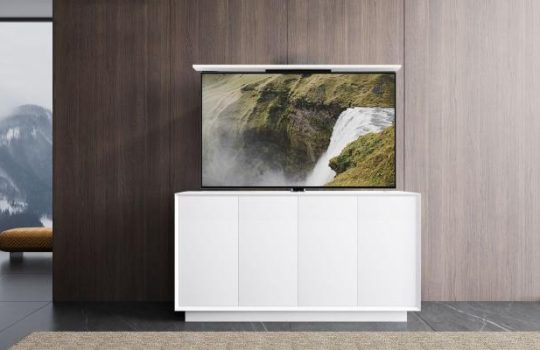
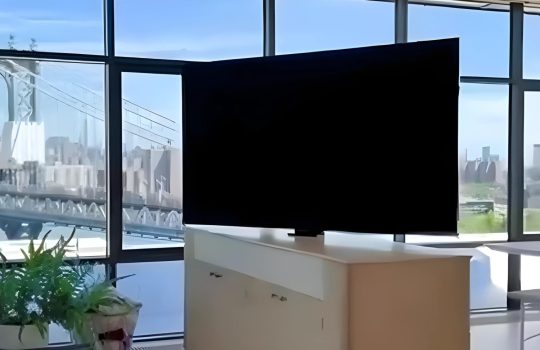
A well-placed TV should blend with the room design. It shouldn’t block artwork, crowd furniture, disturb lighting or make the wall look cluttered. The best setups are clean, as the screen, wires, speakers and furniture all blend together. This is where a smart TV size guide becomes useful beyond inches and distance. It helps you think about comfort, safety, interior balance and everyday convenience. The TV can look more premium and still be practical for everyday use with the correct mounting or lift system.
Conclusion
Choosing the right TV isn’t just about buying a bigger screen. It’s all about finding the right balance between screen size, seating distance, room layout, viewing height and mounting safety. When all these details come together, the room feels cleaner, more comfortable, and more enjoyable to use every day. Tono Systems helps you achieve this kind of smarter setup with audio-video support systems, motorised TV lift and projector lift solutions, all helping you to create a neat, safe and premium viewing space for modern homes and interiors.